

LISA (Laboratoire Interuniversitaire des Systèmes Atmosphériques)
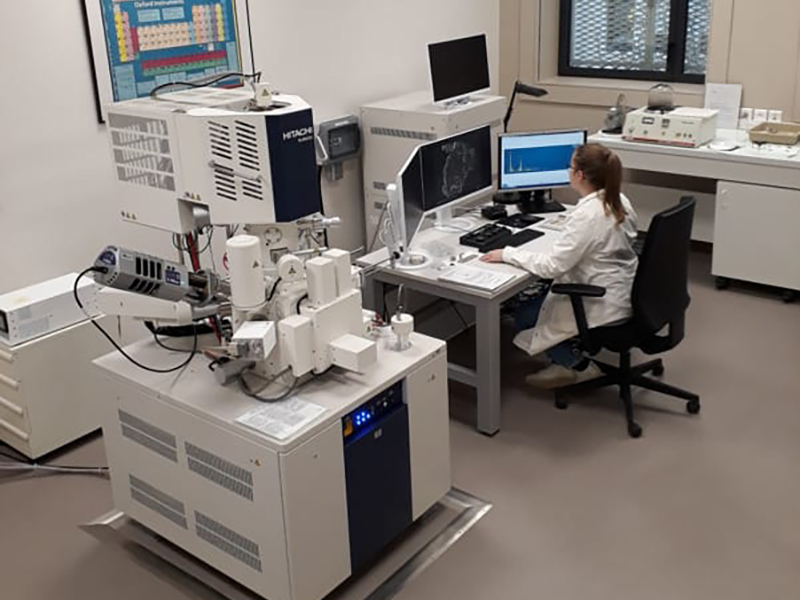
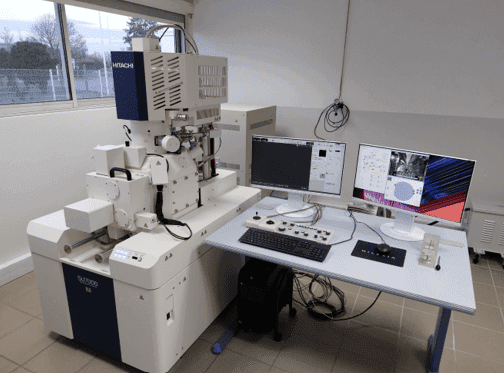
Milexia France installed the Hitachi SU8600 and the Hitachi TM4000Plus II at the LISA (Laboratoire Interuniversitaire des Systèmes Atmosphériques) in Créteil, France.
LISA (Laboratoire Interuniversitaire des Systèmes Atmosphériques) is a joint research unit (UMR CNRS 7583) bringing together Université Paris-Est Créteil, Université Paris Cité, and CNRS. It is part of the EFLUVE Observatory of Universe Sciences and the IPSL research federation. LISA focuses on the study of Earth and planetary atmospheres, as well as the impacts of human activities on atmospheric composition, health, and heritage materials. Its methods are based on real atmospheric observations, experimental laboratory simulations, and numerical modeling. LISA hosts and manages SCUMA (Service Commun Universitaire de Microscopie Analytique), a shared analytical platform of UPEC that facilitates access to scientific data and validated analytical protocols. It supports researchers across various fields by providing reliable analytical tools and efficient management processes to ensure robust and trustworthy results.
Requirement
Faced with the increasing complexity of the samples under study, such as fragile materials (particularly historical artifacts) and atmospheric particles, the SCUMA (Service Commun Universitaire de Microscopie Analytique) platform was seeking high-performance scanning electron microscopy (SEM) tools to strengthen its nanoscale analysis capabilities without altering the samples.
Solution
Solution provided :
Milexia proposed two advanced SEM models :
- Hitachi SU8600 : an ultra-high-resolution cold field emission scanning electron microscope providing high-quality imaging and versatile analytical capabilities for detailed observations of fragile materials.*
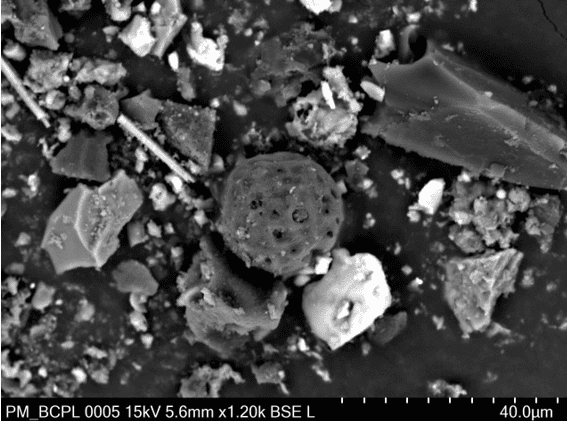
- Hitachi TM4000Plus II : a tabletop scanning electron microscope, ideal for precise chemical analyses and a wide range of studies, including historical materials and atmospheric aerosols.
Applications and advantages :
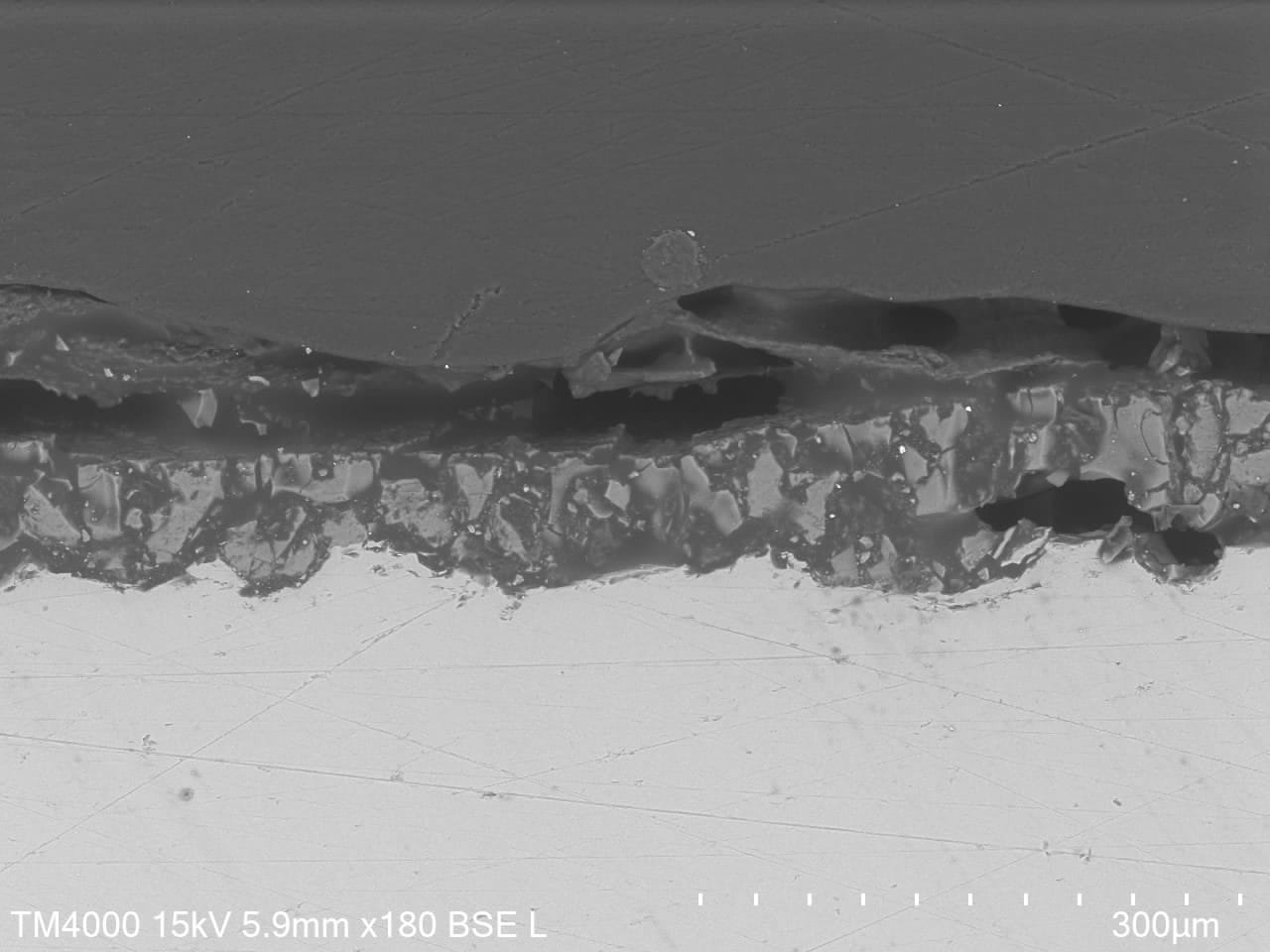
- The Hitachi TM4000Plus II is used to characterize altered heritage materials such as historical stained glass, black crusts from limestone monuments, corroded metals, textiles, as well as for the study of atmospheric particles and biofilms. It is also used in research projects and PhD studies involving recycled materials. Thanks to its cooling stage, it also opens up new research opportunities involving ice and gels.
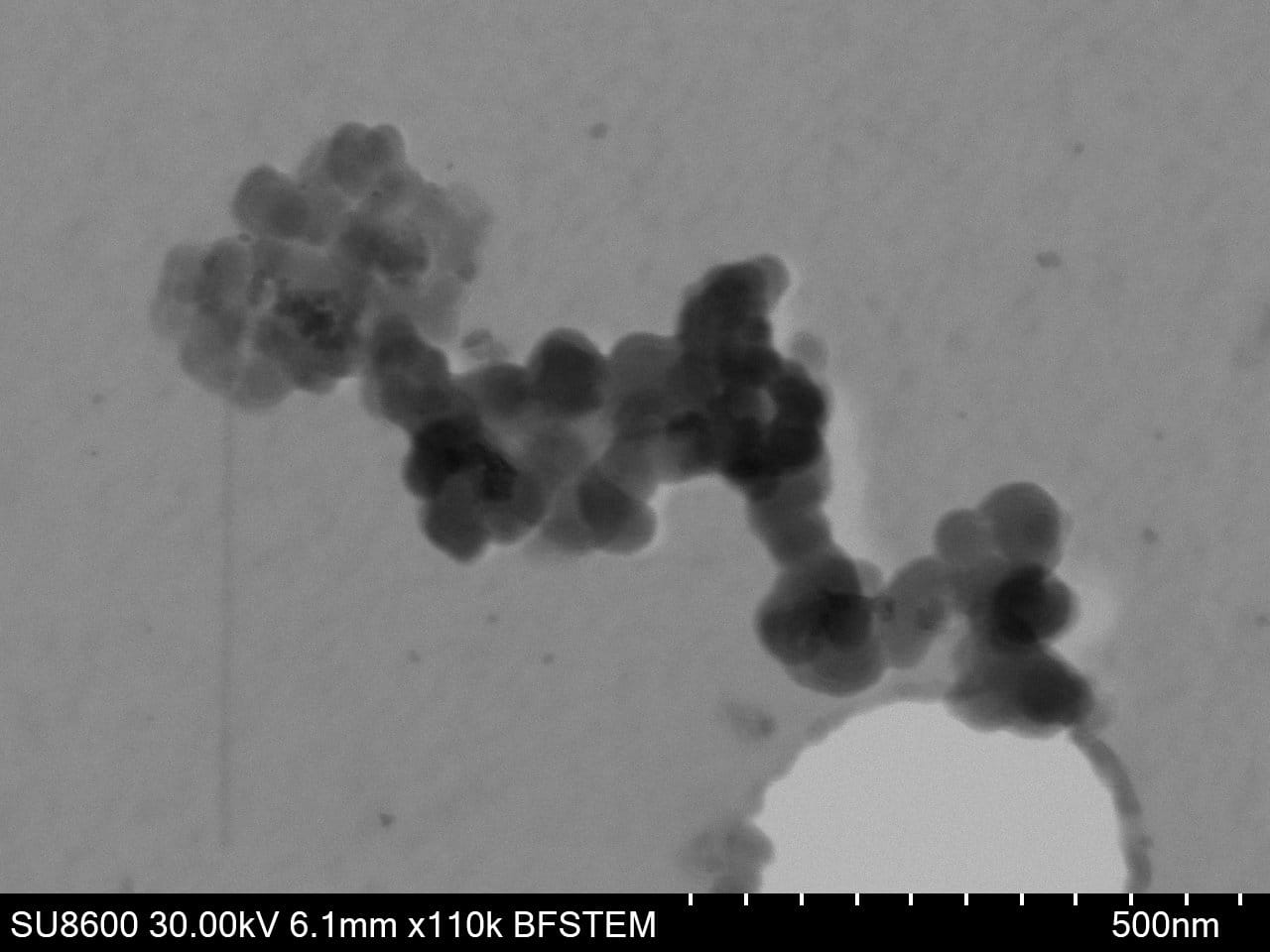
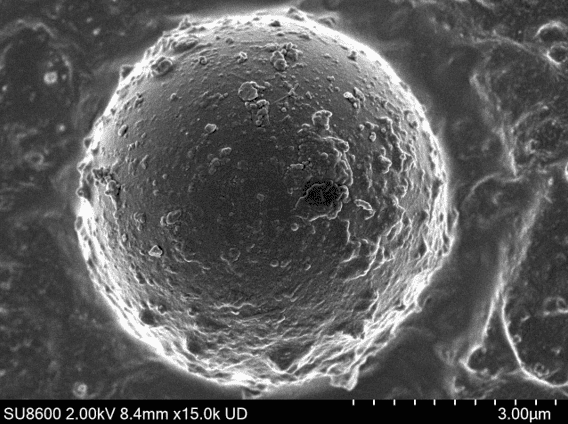
- The Hitachi SU8600 enables detailed observations at very low accelerating voltages, providing exceptional resolution for the characterization of fragile materials while preserving their integrity. It is also used for the analysis of fine atmospheric particles, allowing correlations between particle size distribution and elemental chemical analysis, as well as for the observation of thin organic coatings for space applications. In addition, the SEM is equipped with a STEM detector, extending its imaging capabilities by providing information typically reserved for transmission electron microscopes (TEM).
Results and benefits :
- The Hitachi TM4000Plus II enhanced the laboratory’s ability to perform both routine and advanced analyses, attracting new internal and external users.
- The Hitachi SU8600 replaced older instruments, offering improved resolution and enhanced low-voltage observation capabilities.
Electron microscopy research themes :
- The fields covered include glass, stone, metals, textiles, recycled materials, and atmospheric particles.
- The integration of these tools significantly contributes to a better understanding of atmospheric systems and their impacts on materials, health, and biogeochemical cycles, helping address major environmental challenges.
SEM Observations :
Result and conclusion
The integration of the Hitachi SU8600 and Hitachi TM4000Plus II scanning electron microscopes within SCUMA (Service Commun Universitaire de Microscopie Analytique) has enhanced nanoscale analysis capabilities and addressed the specific needs of researchers across a wide range of fields. These advanced tools enable precise observations, support innovative research projects, and strengthen the understanding of atmospheric and environmental systems. Thanks to these instruments, LISA (Laboratoire Interuniversitaire des Systèmes Atmosphériques) continues to open new pathways for scientific and technological development.
More Case Studies
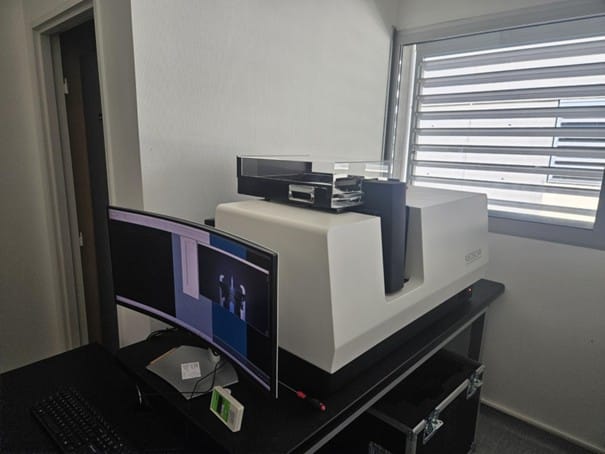
Installation of the Neoscan N80 Micro-CT System at IRMB – Montpellier
At the Institut de Recherche en Médecine de Montpellier (IRMB), the installation of the Neoscan N80 micro-CT system marks a key step forward in bone biology research
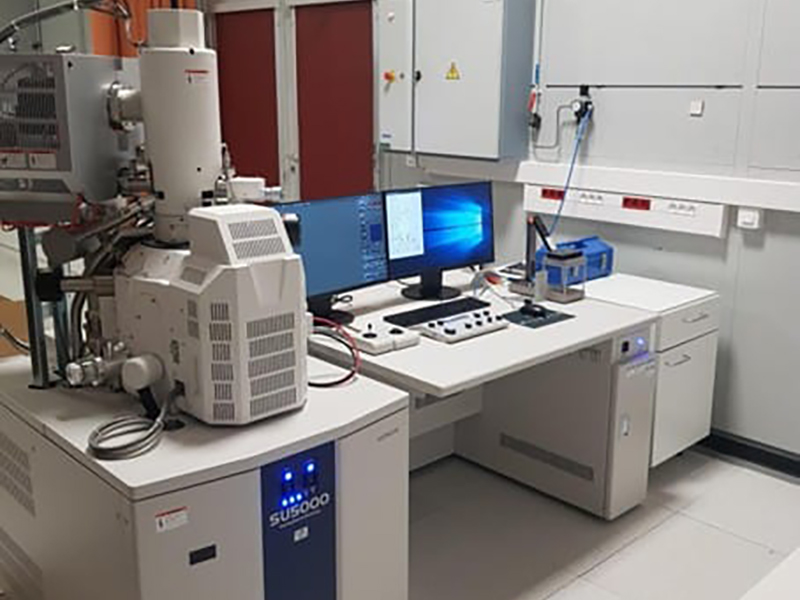
Installation of the Hitachi SU5000 Scanning Electron Microscope at ArcelorMittal Global R&D Maizières Products
To support the development of next-generation steels and decarbonized solutions, ArcelorMittal Global R&D Maizières Products partnered with Milexia to install the Hitachi SU5000 scanning electron microscope.
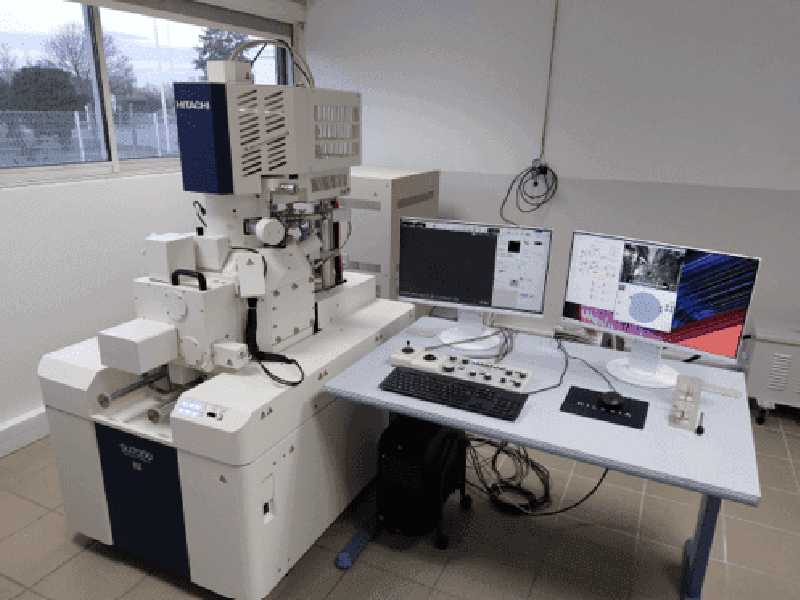
Installation of the High-Resolution Hitachi SU7000 Microscope at Placamat
PLACAMAT is a research and development center based in Bordeaux, specializing in the advanced characterization of nanostructured materials.
Installation of Hitachi SU7000 Scanning Electron Microscope at IMT Mines d’Alès – Centre des Matériaux des Mines d’Alès (C2MA).
IMT Mines Alès, renowned for its expertise in the fields of composite and hybrid polymers, as well as construction materials, has selected the Hitachi SU7000 Scanning Electron Microscope to enhance its research capabilities.