

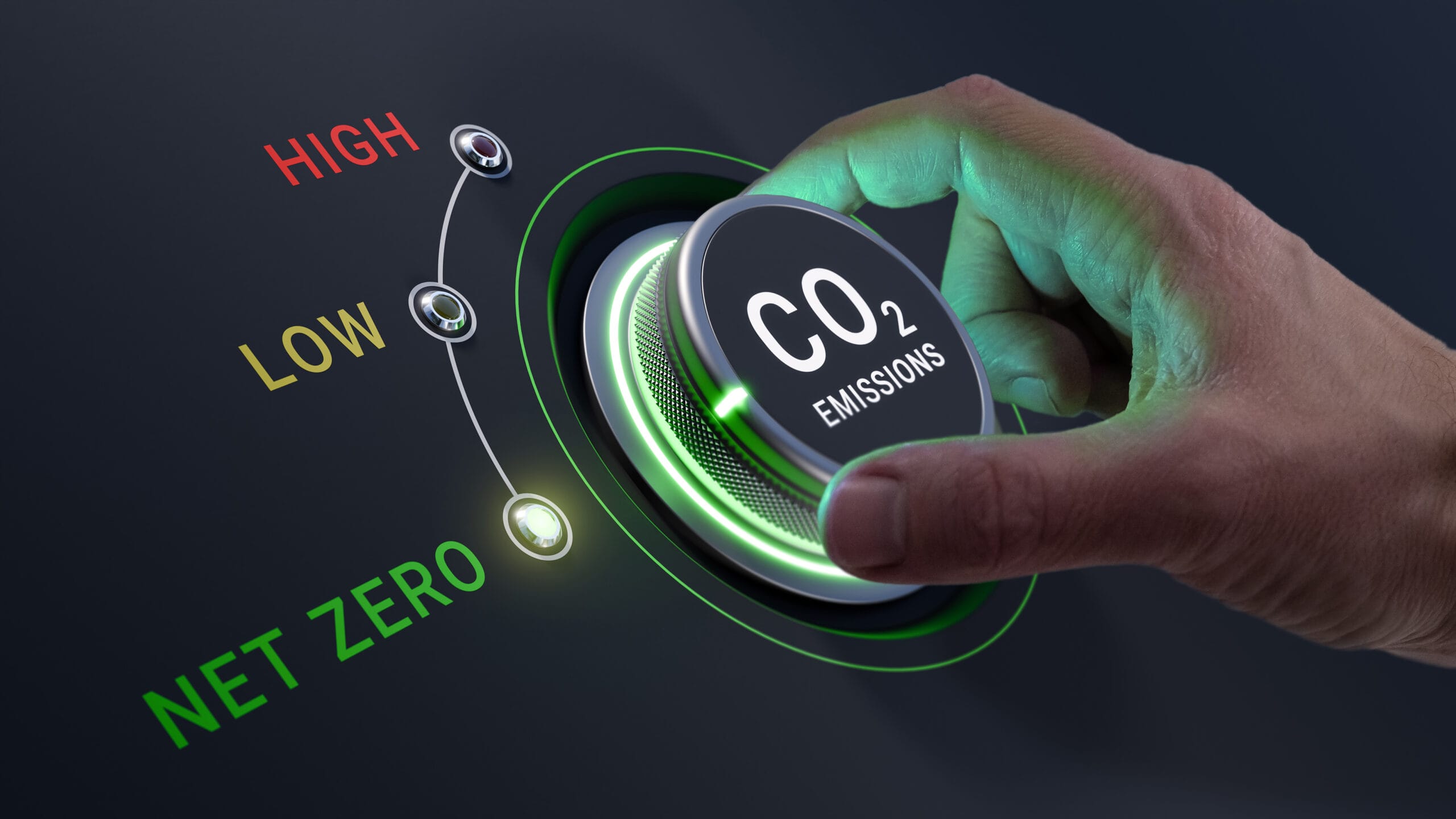
According to the International Energy Agency (IEA), electric motors and systems account for over 40% of global electricity consumption.
In an industrial setting, pumping systems account for 25% to 50% of the total electrical energy usage.
It is no wonder, therefore, then that the EU Commission projected a potential €2.2 billion in electricity saved by 2020 across the EU from the fitting of high-efficiency pumps. Equivalent to Ireland’s total annual electricity consumption. However, the European Commission’s 2024 State of the Energy Union report reveals a disappointing reality that we are lagging behind on our targets and the 2050 decarbonisation goal.
Without a doubt, next-gen intelligent pump solutions have the potential to decarbonise industries worldwide, enabling them to meet Net Zero targets while making a significant contribution to a greener planet.
The question is, what steps should energy-intensive industries take to transition from outdated pumps to prioritise the production of sustainable industrial pump systems?
Out with the old, in with the new
Industrial pump systems are the backbone for many key industry sectors of the economy, for moving liquids and slurries, handling waste, and managing cooling systems. From the oil and gas industry and data centres to food production and water treatment, pump systems play a ubiquitous and pivotal role in ensuring the smooth flow of operations and facilitating the adoption of renewable energy sources.
However, their energy-intensive nature cannot be overstated. Old pump technology is nowhere near enough to meet today’s environmental concerns, evolving regulatory rules and future sustainability goals.
The good news is that advancements in energy-efficient pumps are well underway, with research indicating that the global industrial pumps market is projected to reach $85 billion to $90 billion by 2025.
By integrating features such as IoT technologies, smart sensors, variable speed drives and predictive maintenance algorithms, intelligent pumps enable operators to optimise energy consumption, reduce downtime, and improve equipment lifespan.
Let’s break it down into the individual benefits these can bring:
- Variable speed drives
Variable speed drive (VSD) and Variable Frequency Drive (VFD) allow for control of a pump motor’s speed and power output. The energy savings from being able to adjust the speed and flow of a pump to the requirements of an application are significant when you consider that electric motors are installed in every part of modern electrical or automated equipment in an industrial setting. In fact, VSDs have proven to reduce energy consumption by up to 50% when an AC motor’s speed is reduced by 20%.
A variable speed drive will calculate a motor’s required voltage and current. DC power is then fed into an inverter, producing AC power at the precise voltage and current needed while continuously calculating and adjusting the frequency and voltage the motor needs. VFDs work using the same principle but vary the speed of an AC motor by varying the frequency of the motor.
Reducing a pump’s speed imparts less energy to the fluid, resulting in decreased energy needing to be throttled or bypassed. Most old, outdated industrial systems, however, run at full speed all the time. The operator has to open the values to let out the liquid and pressure in the pipes before being able to slow down the flow. This saves very little energy when a pump is going on full power. It is comparable to driving a car with one foot on the accelerator and controlling the speed with a brake.
It is important to note that the European Union’s Ecodesign Regulation (EU) raised the bar in July 2021 for the minimum energy efficiency requirements for variable speed drives (VSDs) and low voltage induction motors to meet the IE3 premium efficiency standard.
- Predictive sensor technology
Advancements in predictive monitoring technology allow for real-time monitoring of pump performance. Predictive sensors can be integrated into operating pumps to provide actionable insights and performance data on critical parameters such as flow rate, temperature, and vibration. These sensors can help identify inefficiencies and proactively address operational challenges. Studies have shown that implementing sensor-based monitoring systems can result in energy savings of up to 20% in industrial settings.
- IoT-enabled pumps
IoT-enabled pumps go a step further to enable remote monitoring and control, meaning that operators can manage and monitor pumps from any location and at range. This is a huge advantage for companies with facilities in remote locations, like agriculture and manufacturing industries. IoT-enabled pumps will continue to evolve and become even more intelligent, efficient, and crucial to achieving industrial goals in the coming years.
- Total Solutions – e-pumps
Electronically controlled pumps – known as “E-pumps” – offer a total solution that are fully integrated with sensors, controls, and motor frequency converters. They are an extremely efficient way to seamlessly save energy, cut carbon emissions, and improve the overall lifespan of pump systems. Considering that E-pumps consume 37% less energy than standard pumps, the need for energy-intensive industries to shift from outdated pump systems to e-pumps is set to be transformative for meeting global carbon emission targets and contributing to the green energy transition.
Transitioning to energy-efficient pump systems
Implementing IoT technology can seem daunting, especially for companies upgrading legacy equipment. However, the long-term savings in maintenance and energy costs will far outweigh the initial expenditure. Companies can consider a phased adoption, starting with critical systems and expanding IoT capabilities over time.
For organisations considering upgrading their pump systems with IoT enabled pumps, and e-pumps, the essential first step is to undergo a health check of the existing pump system installed. One that assesses the performance of the existing pump systems to help identify potential savings in the pumping systems across the various applications.
Selecting the right pump parts manufacturer is a critical element for transitioning to modernising pump systems. It requires careful consideration of multiple factors, including quality standards, technical expertise, engineering design and maintenance, after-sales support, and strength in supply chain sourcing. By evaluating these aspects thoroughly, businesses can establish a long-term relationship with its manufacturer for the optimal lifespan of the pump systems and for sustained operational success.
Embedding circular principles
The correct and regular maintenance of pumps prolongs their lifetime and reduces the risk of serious failure, and modernised pump monitoring goes a long way to ensuring pumps run at an optimal level. However, circular principles must be embedded throughout the product lifecycle of pumps and their components.
A circular economy aims to preserve the value and intrinsic quality of products, components, and materials at each stage of their use, encouraging the manufacturer to consider the product lifecycle and how any environmental impact associated with the production and use can be negated. Organisations involved in every element of the supply chain of pump systems must work together to embed a circular economy strategy – which instils procedures for how materials are selected and used based on their potential lifespan and greener disposal qualities.
Moving forward
The collaboration between technology suppliers, component equipment manufacturers, and end-users from energy-intensive industries is crucial in driving greener energy goals.
Against a backdrop of tightening regulatory measures, which include the Ecodesign requirements for VSDs and the mandatory power output of electrical motors to meet IE2 energy efficiency levels, the industry has no choice but to work together to reform their energy consumption and foster environmental stewardship across the supply chain.
Thankfully, there are organisations taking the lead in encouraging collaboration between industries, regulators and policy leaders, helping to drive the adoption of innovative solutions for reducing energy consumption. Europump, the European Pump Association, which represents 16 National Associations in 12 EU Member States, Russia, Switzerland, Turkey, and the UK, is at the forefront of promoting high-efficiency pump technologies and advocating for policies that support sustainability and innovation. Since 2016, Europumps efforts and initiatives have resulted in the saving of 233 million MWh of electricity and a reduction of 163 million tons of CO2 emissions.
Without a doubt, next-generation pumps have the potential to serve as efficient powerhouses that support the green transition across all sectors of the industry. By prioritising energy efficiency, embracing renewable energy sources, making wise investments, and fostering innovation, we can significantly contribute to global decarbonisation goals and the fight to mitigate climate change.
By Brian Dehlsen, CEO, Cabcon Group, a Milexia Company
Source: EE Times Europe
Recent posts in In the Media

Why the Future of High-Power Test Benches Must Be Fully Integrated and Automated
How integration and automation are essential for turning testing from a downstream activity into a strategic enabler.

Beyond the Surface: How acoustic microscopy transforms electronic inspection
Find out more about how this non-destructive tehcnique is being used to reveal subsurface structures with micrometre precision.

Milexia: A European Leader in Value-Added Distribution of Electronic Solutions
This cutting-edge expertise now benefits a wide range of customers.
Automated high-power test benches: Building resilient systems
As an expert in the industry, Jaafar Saied shares how innovations in high-power test benches are dramatically changing testing systems.